
14 October, 2026
Floors Are Becoming the Artwork

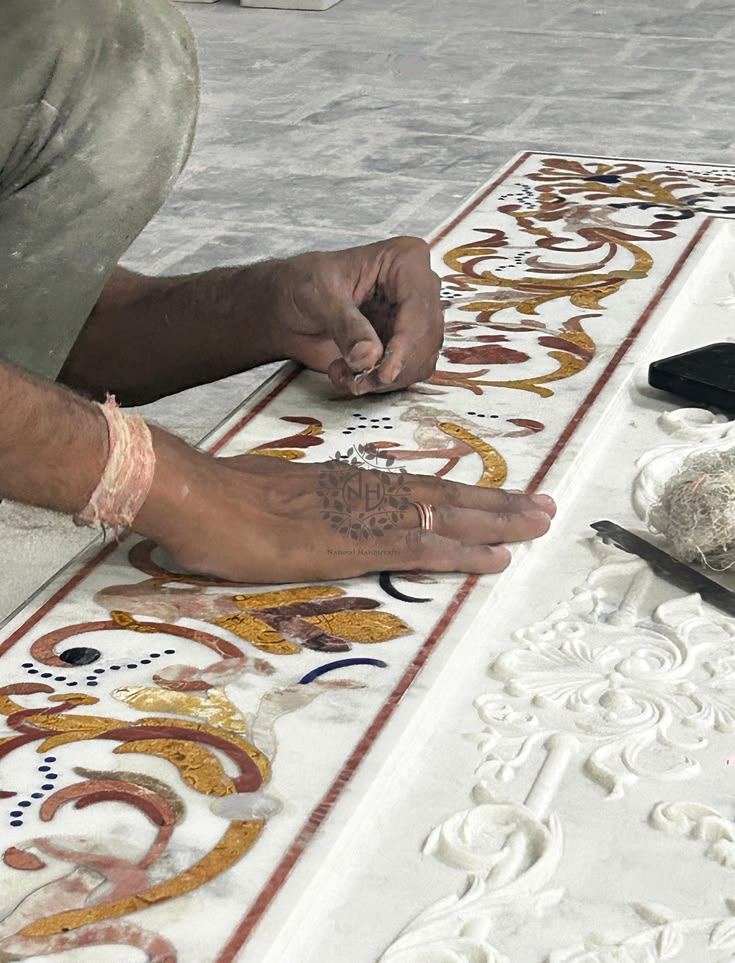
For decades, flooring has played a supporting role in interior design. It was chosen to complement the walls, match the furniture and stay quietly in the background. Today, that thinking is changing. Across homes, hotels, restaurants and boutique spaces, the floor is stepping into the spotlight and becoming the defining feature of the room.
From Surface to Statement
A floor is the largest uninterrupted plane in almost any interior. It is seen from every angle, walked across every day and present in every photograph of the space. Yet it is often the most overlooked canvas in the room.
Stone inlay changes that. Instead of laying uniform tiles side by side, inlay work fits individually cut pieces of stone together like a puzzle, forming patterns, borders and images that are part of the floor itself. The result is not decoration applied on top of a space. It is design built into the architecture.
The Craft Behind Stone Inlay
Stone inlay is one of the oldest and most admired decorative traditions in the world. Its roots stretch across Roman mosaics, Mughal palaces and Renaissance interiors, where artisans cut and fitted coloured stones with remarkable precision. What makes it special is the combination of material and patience:
- Natural stone variety. Marble, limestone, onyx, granite and semi-precious stones offer an enormous palette of colours, veining and texture, with no two pieces alike.
- Precision cutting. Each piece is shaped to fit its neighbour so closely that the joins nearly disappear.
- Skilled hands. Even with modern tools, the layout, colour balance and finishing rely on the eye and experience of the craftsperson.
The outcome is a surface that feels richer, deeper and more alive than a printed or repeated pattern ever could.
Patterns That Define a Space
There is no single look for an inlaid floor. The style can be shaped to suit the mood and scale of the room.
Geometric patterns. Stars, medallions, interlocking lines and tessellations bring rhythm and structure. They suit formal entrances, living rooms and grand corridors, and they work beautifully with both classical and contemporary interiors.
Detailed floral motifs. Vines, petals and flowing botanical forms introduce softness and storytelling. A floral inlay can feel romantic, heritage-inspired or quietly luxurious, depending on the stones chosen.
Borders and medallions. Not every project needs a full-room pattern. A central medallion under a dining table or a fine border framing a hallway can anchor a space with a more restrained touch.
Why Designers Are Embracing It
The appeal goes beyond beauty. For architects and interior designers, an inlaid floor offers several advantages:
- A focal point without clutter. When the floor carries the visual weight, walls and furnishings can stay simple, calm and uncluttered.
- Architectural cohesion. The pattern can echo ceiling details, arches, jali work or lighting layouts, tying the whole room together.
- Longevity. Natural stone is durable, and a well-installed inlay can last for generations, which makes it a lasting investment rather than a passing trend.
- Customisation. Patterns, colours and scale can be tailored to a project, giving clients something that is truly their own.
- Memorability. Guests may forget the sofa or the wall colour, but they rarely forget a striking floor.
Designing With an Inlaid Floor in Mind
If you are considering making the floor the hero of a room, a few principles help:
- Let the floor lead. Keep furniture, rugs and wall treatments restrained so the pattern can breathe.
- Match the scale to the room. Bold, large-scale motifs suit generous spaces, while finer patterns work well in compact ones.
- Choose colours with the whole palette in mind. Pull tones from the stone into upholstery, metal finishes or artwork for a cohesive look.
- Plan lighting early. Natural light and well-placed fixtures bring out the sheen, depth and veining of the stone.
- Think about movement. Consider how people will walk through the space and where the pattern will be seen first.
Where It Works Best
Inlaid floors are no longer reserved for palaces and heritage buildings. They are appearing in:
- Grand entrance foyers and lobbies
- Living and dining rooms
- Hotel reception areas and lounges
- Restaurants and bars
- Boutiques and showrooms
- Private pooja rooms and courtyards
In each, the floor sets the tone the moment someone steps inside.
Beneath Our Feet
Great design often hides in places we do not think to look. A floor that carries pattern, craft and character does more than finish a room. It tells people what kind of space they have entered and how much care went into creating it.
Sometimes the most memorable design element is right beneath our feet.
A question for architects and interior designers: would you make the floor the statement piece of a room? Share your thoughts, projects and inspirations. We would love to hear how you are reimagining the ground beneath us.
#KarishmaTiles #StoneInlay #FloorDesign #ArchitecturalDesign #InteriorDesign


11 October, 2026
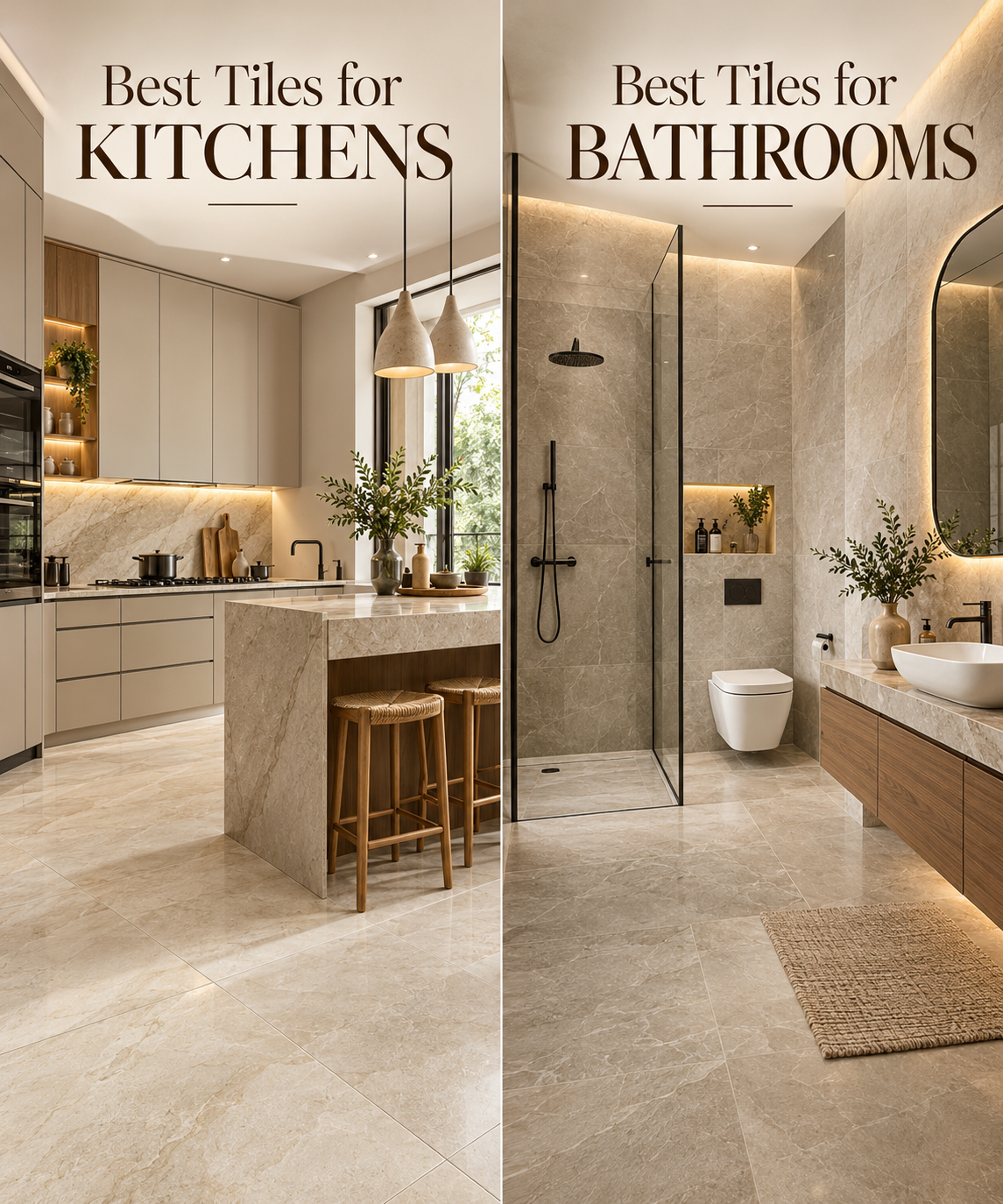
Best Tiles for Indian Kitchens & Bathrooms
Kitchens and bathrooms are the hardest-working rooms in an Indian home. They deal with oil, steam, turmeric stains, wet floors and monsoon humidity every day. The right tiles make these spaces safer, easier to clean and better looking for years. Here is what to look for in each room.
02 july, 2022
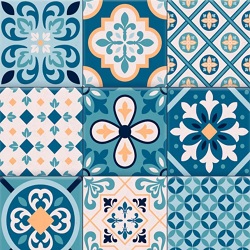
Unleashing Creativity: Exploring the World of Designer Tiles
Bathrooms are one of the most important rooms in any home, and choosing the right tiles...
2 June, 2023
The Versatility and Elegance of...
As we enter a new era of interior design, tiles continue to be a popular choice for modern homes.
10 May, 2022
Outdoor Tile Ideas for Stunning...
Feature tiles can be a great way to make a statement in any room of your home...